Meta-learning
“Education is the adventure that never ends, always leading you to new discoveries.” “Through education, we plant the seeds of curiosity that grow into the trees of knowledge.” Allan Bloom
At our school, we are committed to developing children as thoughtful, reflective, and independent learners. As part of this, we are proud to adopt a Thinking Schools approach, which places thinking at the heart of everything we do.
This approach helps children to understand not just what they are learning, but how they learn best. Through the use of clear thinking tools, strategies, and a shared language of learning, children become more confident in organising their ideas, solving problems, and making meaningful connections across subjects.
We encourage our pupils to ask questions, think deeply, and reflect on their learning. By explicitly teaching skills such as reasoning, collaboration, and metacognition (thinking about thinking), we aim to equip children with the tools they need to become resilient, lifelong learners.
Our classrooms are environments where curiosity is celebrated, mistakes are valued as part of the learning process, and every child is supported to develop their own voice as a learner.
We are excited to continue embedding this approach across the school, ensuring that all children are empowered to think independently and achieve their full potential.
Thinking Tools We Use
As part of our Thinking Schools approach, we use a range of practical tools and strategies to help children organise their ideas, deepen their understanding, and become more independent learners.
These include:
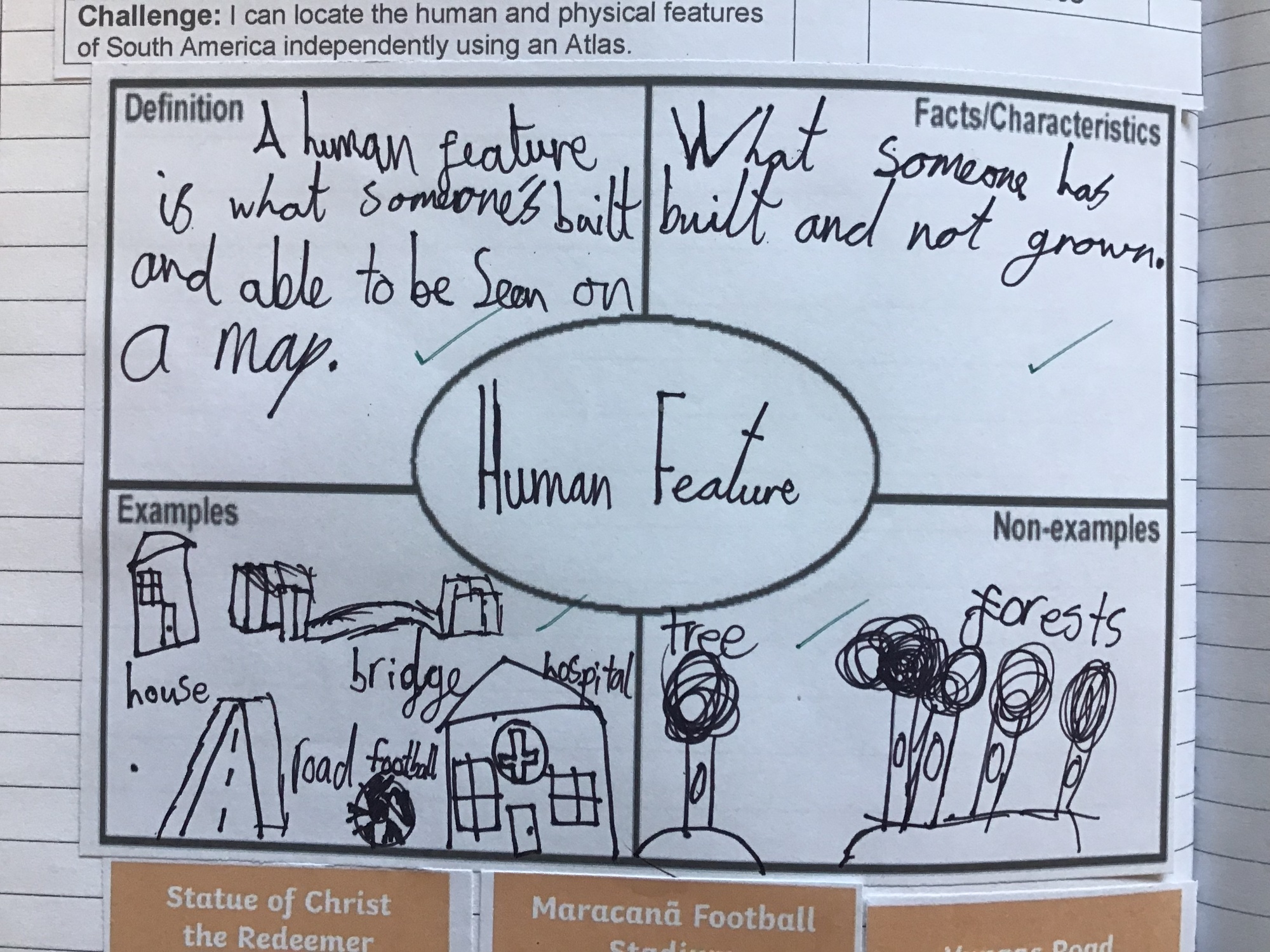
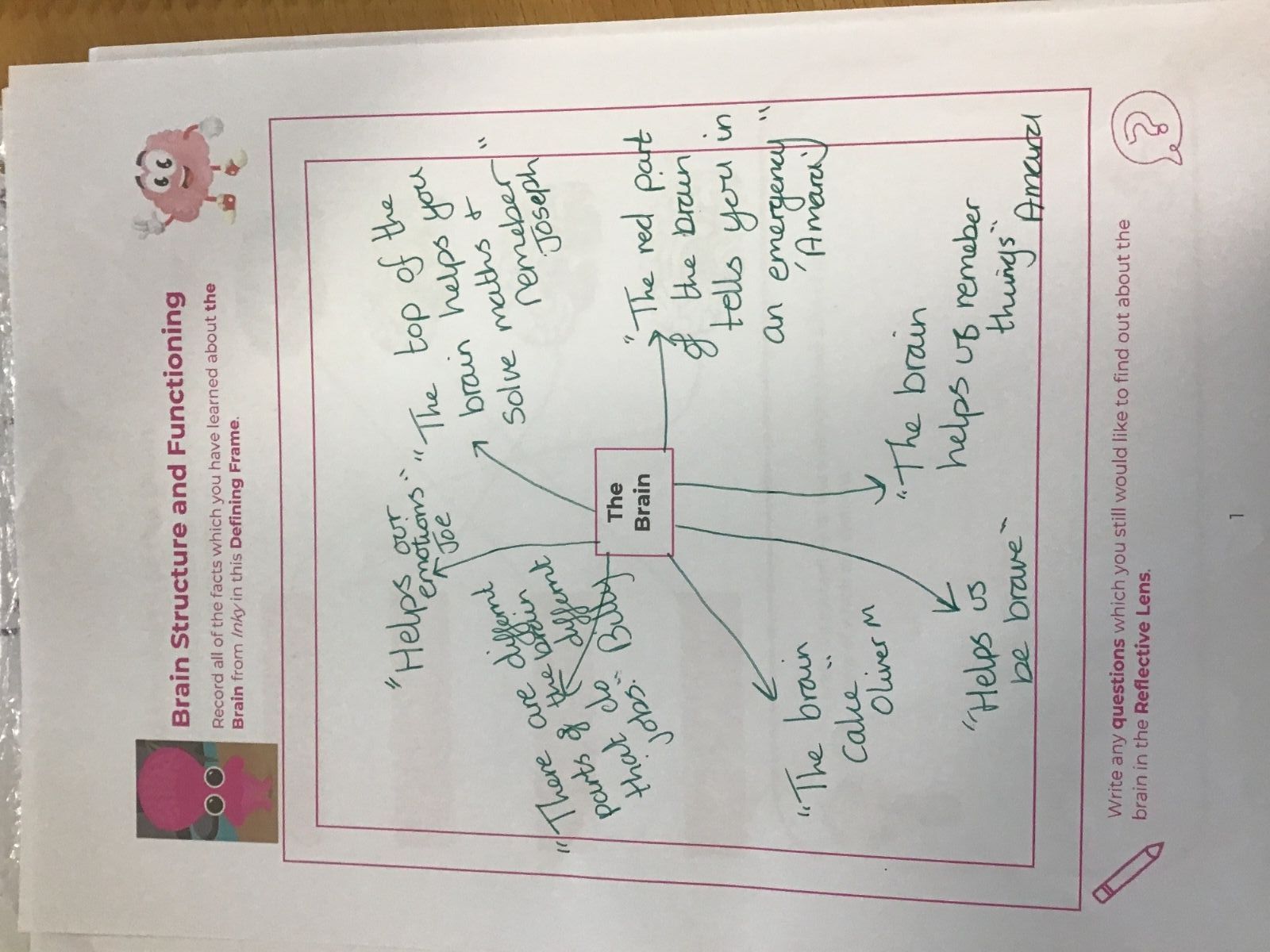
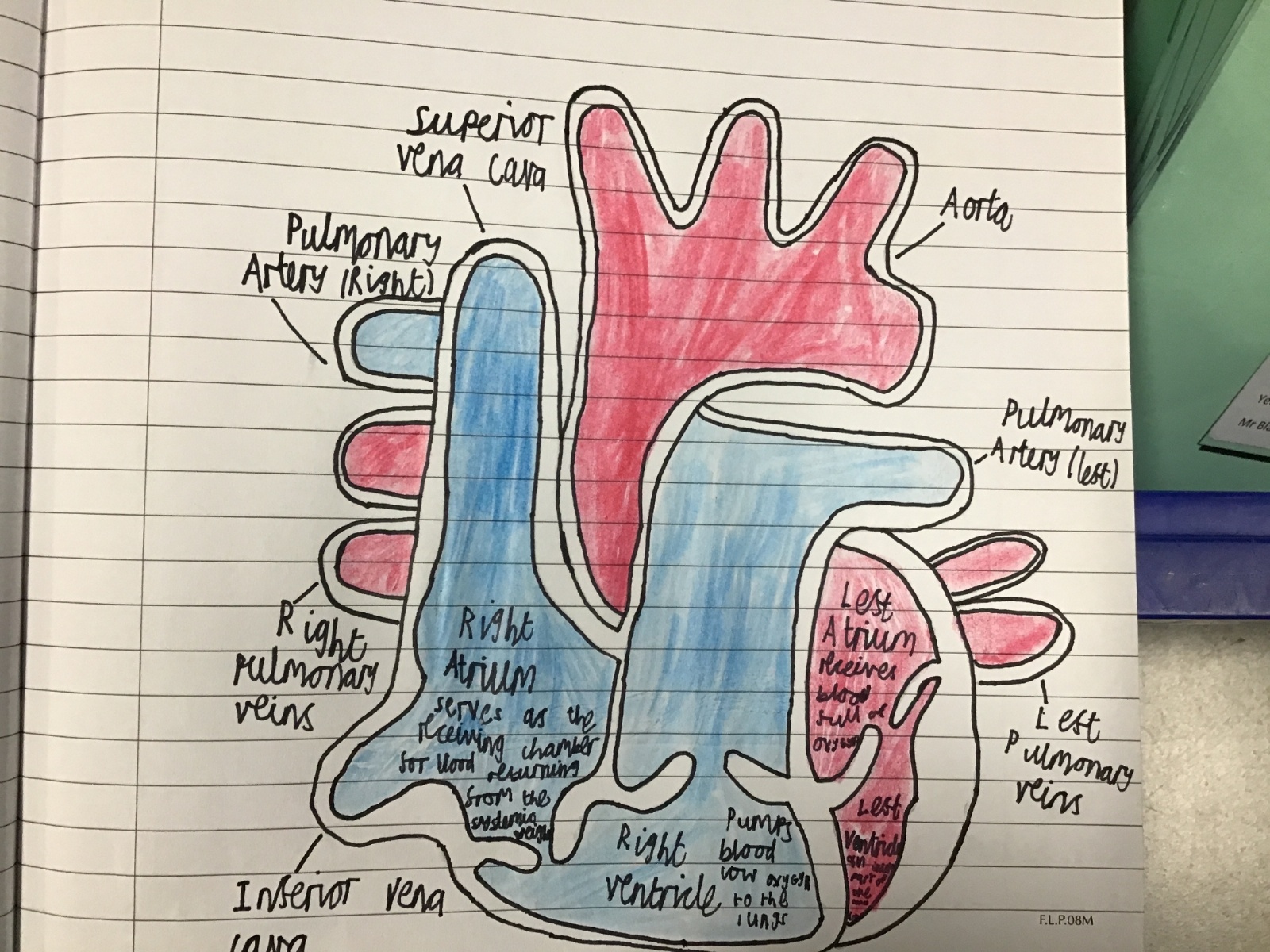
- Graphic organisers– visual tools that help children structure their thinking, such as organising ideas, comparing concepts, sequencing events, and showing cause and effect
- A Shared Language of Thinking – we use consistent vocabulary across the school to help children talk about their learning, for example using words such as analyse, evaluate, reflect, and justify
- Questioning Techniques – including open-ended questions and prompts based on approaches such as Bloom’s Taxonomy, encouraging deeper thinking and reasoning
- Collaborative Learning Strategies – giving children opportunities to discuss, share ideas, and learn from one another
- Metacognition Strategies – supporting children to think about how they learn, set goals, and reflect on their progress.
- Planned for Retrieval Practice
By using these tools consistently across subjects, we help children to build confidence in their thinking, take ownership of their learning, and develop skills that will support them both in school and beyond.
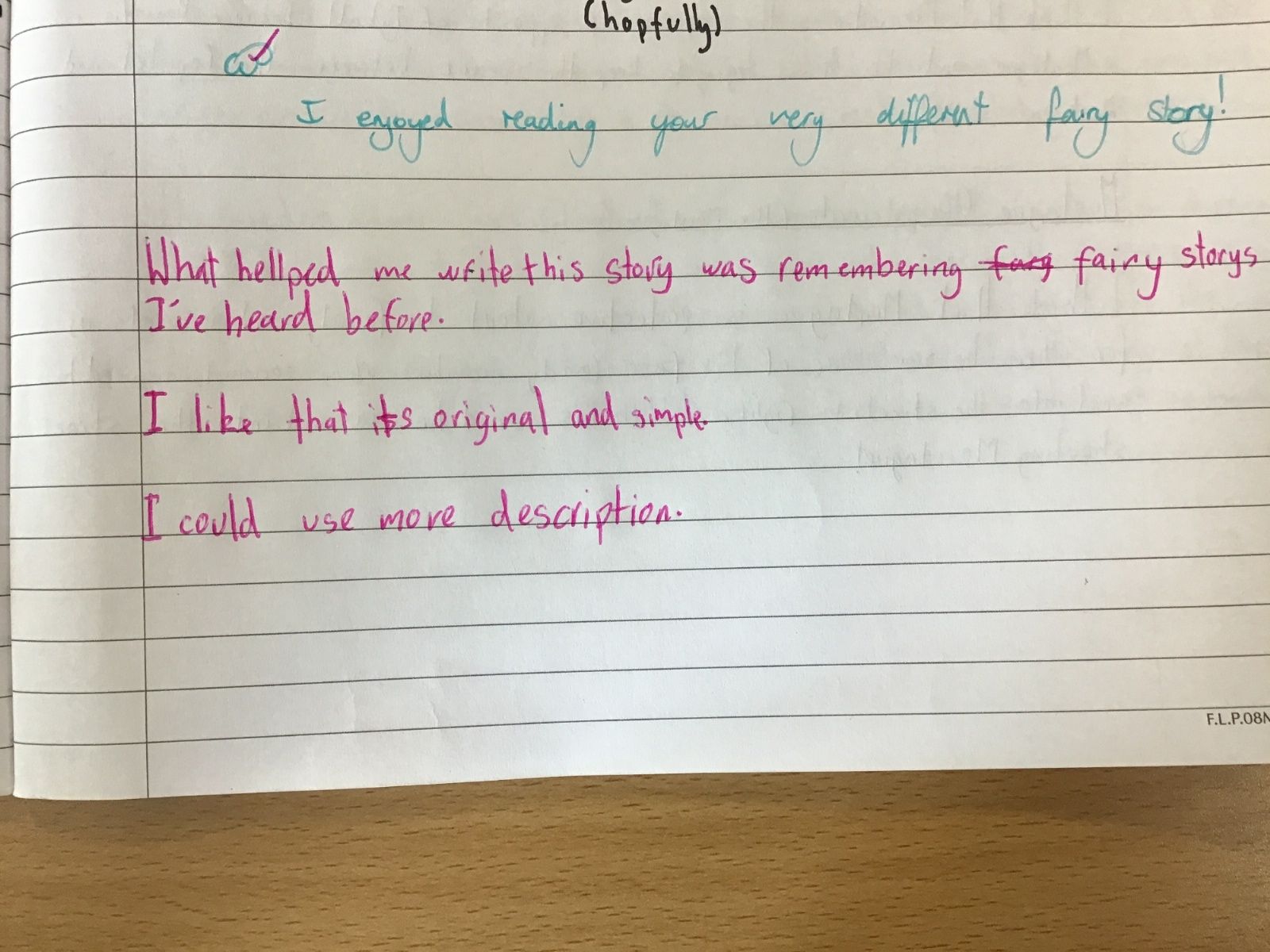
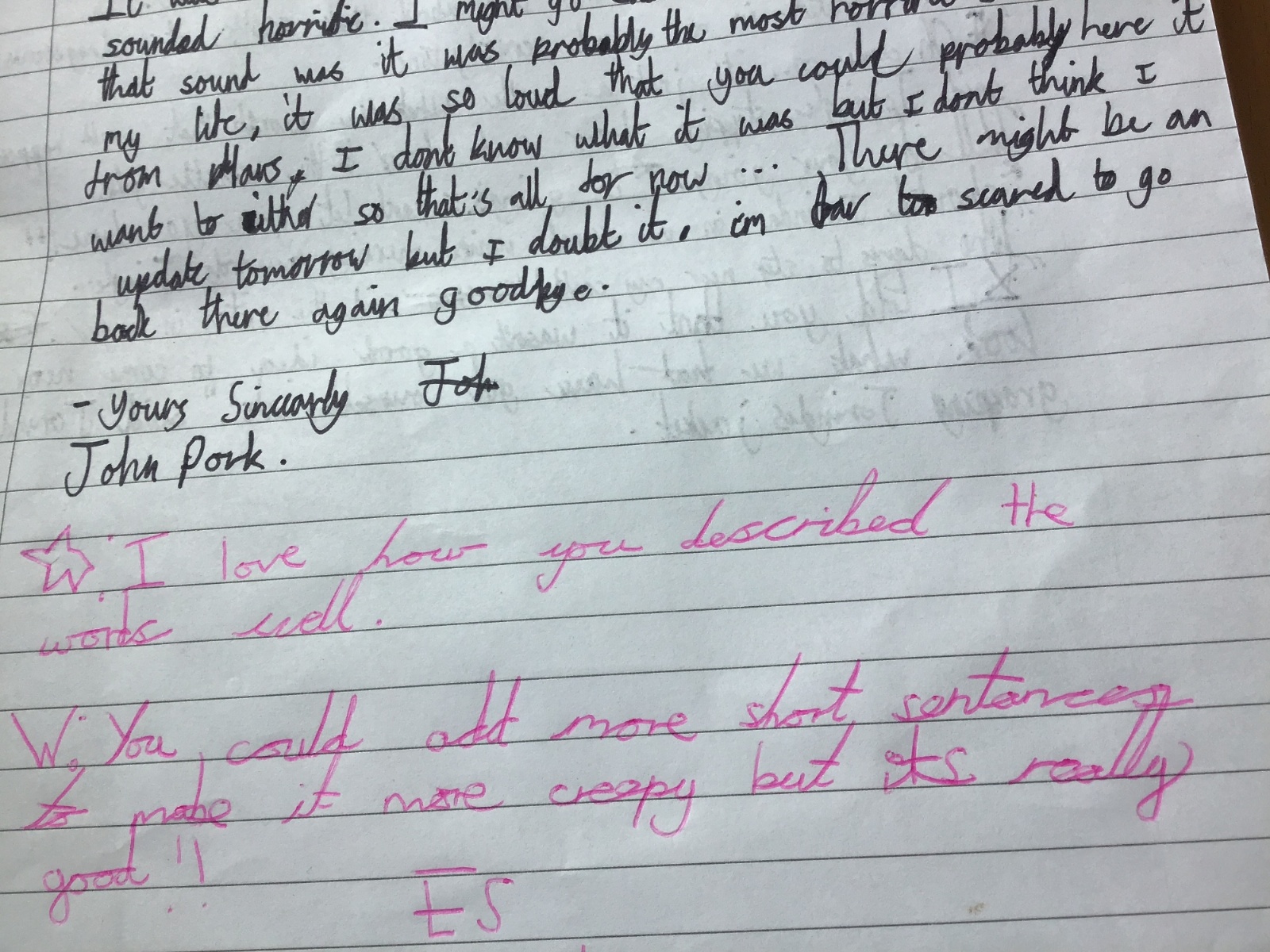
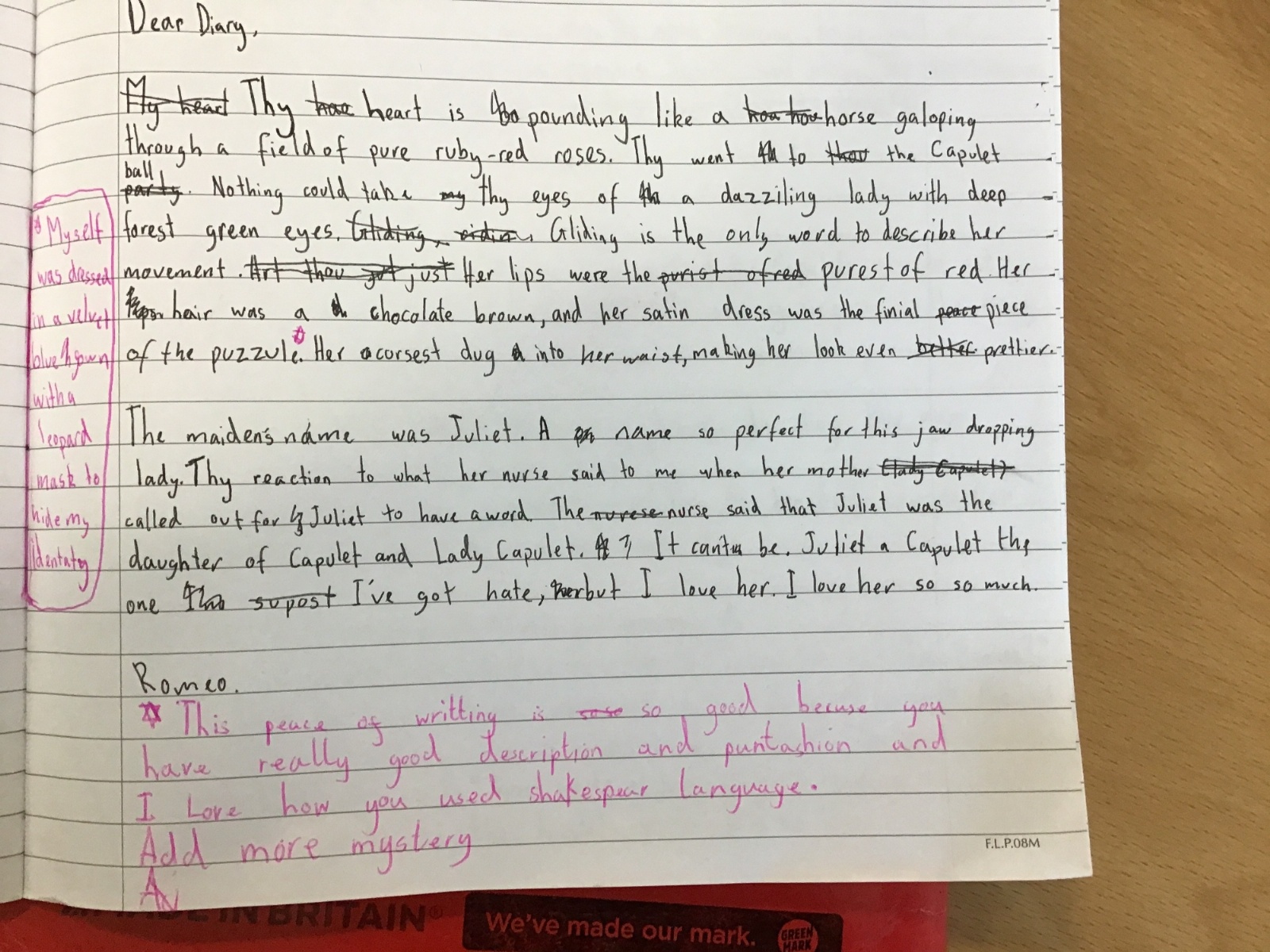
At Lawrence View, we believe that learning how to learn is just as important as what we learn. That’s where metacognition comes in. Simply put, metacognition means “thinking about our thinking.” It helps our children become more aware of their own learning processes, so they can understand what works best for them—and why.
We teach our pupils to reflect on their learning, plan how to approach tasks, monitor their progress, and evaluate how well they’ve done. These are lifelong skills that support not only academic success but also independence, confidence, and resilience.
To support these skills, we use a range of strategies across the curriculum. Graphic organisers help children structure their thinking and make connections between ideas, while low-stakes quizzes, knowledge mats and learning about how our brain works are used regularly to strengthen memory.
The six effective strategies for learning.
Graphic Organisers.